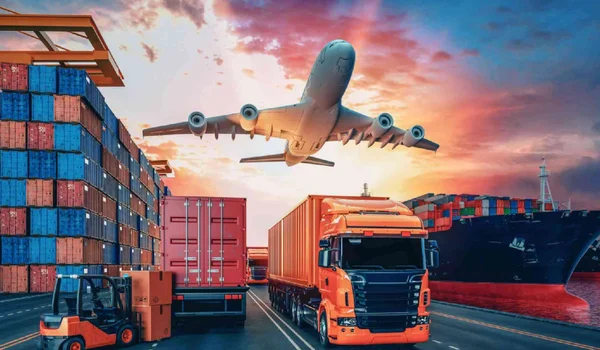
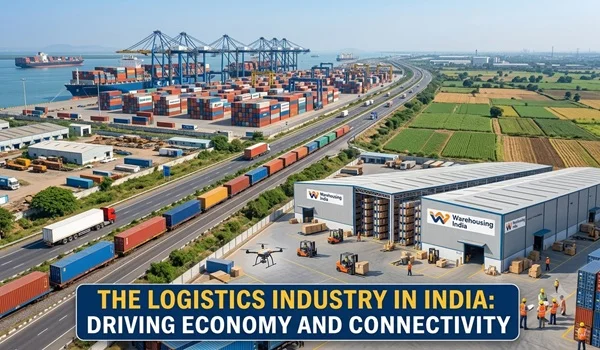
Logistics services help businesses move, store and manage goods from the point of origin to the final customer. In India, logistics has grown beyond traditional transportation and now includes warehousing, freight forwarding, order fulfilment, last-mile delivery, cold-chain management and reverse logistics.
Different businesses require different logistics services. A manufacturer may need raw-material transportation and warehouse management, while an e-commerce company may need fulfilment, parcel delivery and returns management.
Understanding the types of logistics services is useful for businesses choosing logistics partners as well as entrepreneurs planning to enter the logistics industry.
What Are Logistics Services?
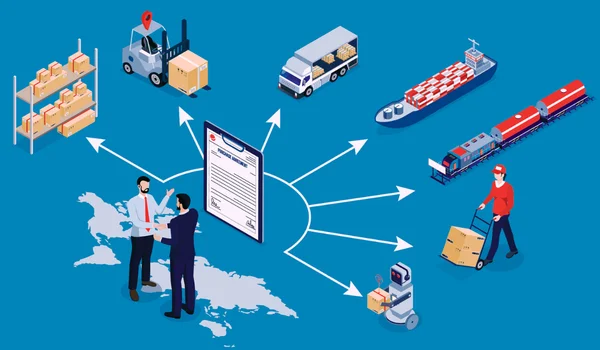
Logistics services are professional services involved in the transportation, storage, handling, distribution and delivery of goods.
A logistics provider may offer one specific service or manage several activities together.
A typical logistics process can look like:
Supplier → Transportation → Warehouse → Distribution → Last-Mile Delivery → Customer
Some logistics companies also manage the movement of returned products back to sellers or warehouses.
Major Types of Logistics Services
- Transportation Logistics
Transportation logistics involves moving goods between two or more locations.
It can include:
- Local transportation
- Interstate transportation
- Full truckload services
- Part-load transportation
- Dedicated transportation
- Industrial transportation
Road transportation is widely used for domestic goods movement because trucks can provide direct connectivity between factories, warehouses and customers.
Who Uses It?
Transportation logistics is commonly used by:
- Manufacturers
- Wholesalers
- Retailers
- Distributors
- E-commerce businesses
- Importers and exporters
- Road Freight Services
Road freight is particularly important for domestic supply chains.
Logistics companies may transport goods using:
- Mini trucks
- Light commercial vehicles
- Medium trucks
- Heavy trucks
- Trailers
- Specialised vehicles
The price can depend on distance, cargo weight, volume, vehicle type and route.
Road freight is often used for both first-mile and last-mile connectivity.
- Rail Logistics
Rail logistics involves transporting goods through India’s railway freight network.
It can be suitable for:
- Bulk commodities
- Containers
- Industrial cargo
- Long-distance shipments
Rail can form part of a multimodal logistics solution where cargo is transported by road before or after the rail journey.
- Air Freight Services
Air freight is used when speed is a major priority.
It is generally suitable for goods that are:
- Time-sensitive
- High-value
- Lightweight
- Urgently required
Examples can include electronics, certain pharmaceutical products, documents and urgent industrial components.
Air freight generally costs more than slower transportation modes, so businesses normally use it when the speed advantage justifies the additional cost.
- Maritime and Ocean Freight
Maritime logistics involves moving goods by ships.
It is particularly important for international trade.
Common cargo can include:
- Containers
- Machinery
- Industrial products
- Raw materials
- Bulk commodities
A typical international supply chain may look like:
Factory → Truck/Rail → Port → Ship → Destination Port → Truck/Rail → Customer
- Warehousing Services
Warehousing services involve storing goods until they are needed for production, distribution or sale.
A professional warehouse may provide:
- Goods receiving
- Storage
- Inventory management
- Picking
- Packing
- Sorting
- Dispatch
- Loading and unloading
Businesses can outsource these activities instead of operating their own warehouses.
- Fulfilment Services
Fulfilment is a more comprehensive service, particularly popular with e-commerce and D2C businesses.
The process can include:
Inventory Receiving → Storage → Order Processing → Picking → Packing → Shipping
The logistics provider manages the physical operations required to fulfil customer orders.
This allows online sellers to focus on product development, marketing and sales.
- Last-Mile Delivery
Last-mile logistics involves delivering products from a local distribution point to the final customer.
For example:
Delivery Hub → Customer
It is particularly important for:
- E-commerce
- Grocery
- Food
- Pharmacy
- Retail
- D2C brands
Last-mile delivery can be operationally challenging because individual orders may have different destinations.
- Courier and Express Logistics
Courier services focus on the movement of documents, parcels and smaller shipments.
Services may include:
- Same-day delivery
- Next-day delivery
- Domestic courier
- Business courier
- Parcel delivery
- Express delivery
Businesses and individuals can use courier services depending on their requirements.
- Third-Party Logistics (3PL)
A third-party logistics provider manages logistics activities on behalf of another company.
A 3PL provider may offer:
Transportation + Warehousing + Inventory + Fulfilment + Distribution
For example, a manufacturer may outsource its transportation and warehouse operations to a 3PL company.
Benefits of 3PL
Businesses can potentially:
- Reduce infrastructure requirements
- Access logistics expertise
- Scale operations more easily
- Focus on their core business
- Improve supply-chain management
- Fourth-Party Logistics (4PL)
4PL is a broader supply-chain management model.
Instead of simply performing logistics activities, a 4PL provider may coordinate multiple logistics providers and manage the overall supply-chain strategy.
For example, a 4PL provider could coordinate:
- Transport companies
- Warehouses
- Freight forwarders
- Technology systems
- Distribution networks
The focus is more on overall supply-chain optimisation than individual transportation activities.
- Cold Chain Logistics
Cold-chain logistics involves transporting and storing products within specified temperature ranges.
It is important for:
- Pharmaceuticals
- Vaccines
- Dairy products
- Frozen foods
- Meat
- Seafood
- Certain chemicals
- Temperature-sensitive products
Cold-chain logistics requires specialised vehicles, storage facilities and temperature monitoring.
- Reverse Logistics
Reverse logistics handles the movement of products from the customer back to the seller, manufacturer or another processing location.
For example:
Customer → Pickup → Sorting Centre → Warehouse
It is commonly used for:
- Product returns
- Exchanges
- Repairs
- Refurbishment
- Recycling
- Product recovery
Reverse logistics is especially important for e-commerce businesses.
- Freight Forwarding Services
Freight forwarding companies help coordinate the movement of cargo, especially for international shipments.
A freight forwarder may coordinate with:
- Shipping companies
- Airlines
- Road transporters
- Rail operators
- Ports
- Customs-related service providers
The forwarder helps organise the shipment from origin to destination.
- Customs and International Logistics Support
Businesses involved in international trade may require assistance with logistics documentation and customs-related processes.
International logistics providers may help coordinate:
- Shipment documentation
- Import/export processes
- Cargo movement
- Port handling
- Freight arrangements
Specific legal and customs requirements depend on the nature of the shipment and applicable Indian regulations.
- Inventory Management Services
Inventory management involves monitoring the quantity, location and movement of goods.
Logistics providers can help businesses track:
- Incoming stock
- Available inventory
- Dispatched goods
- Damaged goods
- Returned products
Technology such as warehouse-management systems can improve inventory visibility.
- Packaging and Labelling Services
Some logistics providers offer packaging services as part of their fulfilment operations.
These may include:
- Product packing
- Labelling
- Barcode application
- Palletisation
- Protective packaging
- Shipment preparation
Proper packaging can help reduce product damage during transportation.
- Cross-Docking Services
Cross-docking reduces the need for long-term storage.
Instead of storing goods in a warehouse for an extended period:
Inbound Shipment → Sorting → Outbound Shipment
Products are quickly transferred to outgoing vehicles.
This can reduce storage requirements and speed up distribution when the supply chain is properly organised.
- Project and Heavy Cargo Logistics
Large or unusual cargo requires specialised logistics arrangements.
Examples include:
- Industrial machinery
- Construction equipment
- Large components
- Power-sector equipment
- Oversized structures
Such shipments may require specialised vehicles, route planning, permits, escorts and handling equipment depending on the cargo and route.
- E-Commerce Logistics
E-commerce logistics combines several logistics services to support online orders.
It can include:
- Seller pickup
- Warehousing
- Inventory management
- Order fulfilment
- Packaging
- Transportation
- Last-mile delivery
- Returns
A typical e-commerce logistics chain is:
Seller → Fulfilment Centre → Sortation Hub → Delivery Hub → Customer
Logistics Services by Transportation Mode
Another way to classify logistics services is by transportation method.
| Logistics Type | Main Use |
| Road logistics | Domestic and local transportation |
| Rail logistics | Large-volume and long-distance movement |
| Air logistics | Fast and time-sensitive shipments |
| Maritime logistics | International and bulk cargo |
| Multimodal logistics | Combination of transportation modes |
Logistics Services by Business Function
Logistics services can also be divided according to the activity being performed.
| Service | Main Function |
| Transportation | Moves goods |
| Warehousing | Stores goods |
| Fulfilment | Processes customer orders |
| Freight forwarding | Coordinates cargo movement |
| Last-mile delivery | Delivers to final customer |
| Reverse logistics | Manages returns |
| Packaging | Prepares goods for shipment |
| Inventory management | Controls stock |
| 3PL | Outsourced logistics management |
| 4PL | Integrated supply-chain coordination |
How to Choose the Right Logistics Service
Businesses should not select a logistics provider only by looking at the transportation price.
Important factors include:
Type of Product
Fragile, perishable, hazardous or temperature-sensitive goods may require specialised services.
Delivery Speed
Urgent shipments may require express or air logistics.
Distance
Long-distance shipments may benefit from rail, road, maritime or multimodal solutions depending on the route and cargo.
Shipment Volume
Large shipment volumes may be suitable for contract logistics or dedicated transportation.
Geographic Coverage
Businesses operating across multiple states may need logistics partners with a broader network.
Technology
Shipment tracking, digital documentation and inventory visibility can improve supply-chain management.
Cost
Businesses should compare the total logistics cost, not simply the base freight rate.
Future of Logistics Services in India
The logistics sector is becoming increasingly technology-driven.
Important developments include:
- Real-time shipment tracking
- Automated warehouses
- AI-based route planning
- Digital freight platforms
- Electric delivery vehicles
- Robotics
- Cloud-based logistics software
- Data-driven inventory management
- Multimodal transportation
Businesses are also increasingly looking for logistics providers that can offer several services through a single integrated system.
FAQs
What are the main types of logistics services?
The major types include transportation, warehousing, freight forwarding, fulfilment, last-mile delivery, courier services, 3PL, cold-chain logistics and reverse logistics.
What is 3PL logistics?
3PL means third-party logistics. A 3PL company provides logistics services such as transportation, warehousing and fulfilment for another business.
What is last-mile logistics?
Last-mile logistics is the final stage of delivery, usually involving movement from a local hub or warehouse to the final customer.
What is reverse logistics?
Reverse logistics manages the movement of products from customers back to sellers, warehouses or manufacturers for returns, repairs, replacement, refurbishment or recycling.
Which logistics service is best for e-commerce?
E-commerce businesses commonly require a combination of fulfilment, warehousing, transportation, last-mile delivery and reverse logistics.
What is cold-chain logistics?
Cold-chain logistics involves storing and transporting temperature-sensitive products under controlled temperature conditions.
Final Thoughts
The types of logistics services have expanded significantly as Indian businesses have moved toward more complex and technology-enabled supply chains. Transportation remains fundamental, but modern logistics can also include warehousing, fulfilment, freight forwarding, inventory management, last-mile delivery and reverse logistics.
For businesses, the right logistics service depends on the product, shipment volume, destination, delivery speed, budget and supply-chain requirements. For entrepreneurs, the wide range of logistics services also creates opportunities to specialise in a particular niche instead of competing across the entire logistics market.