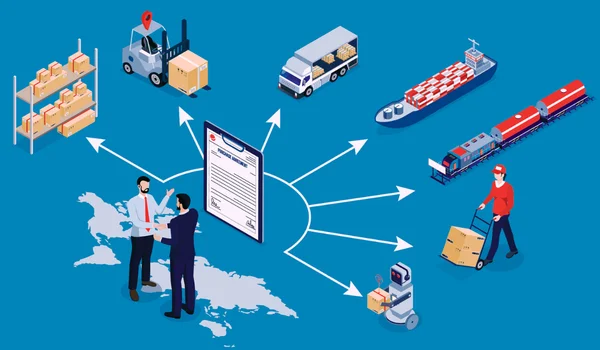
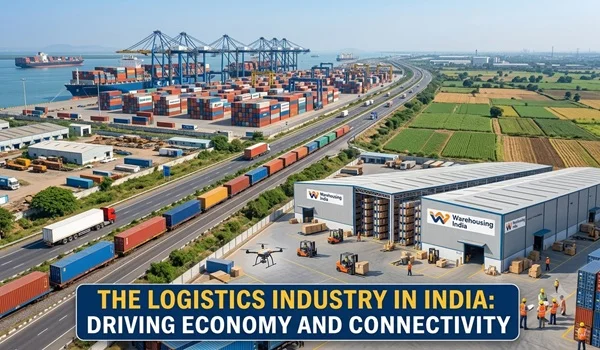
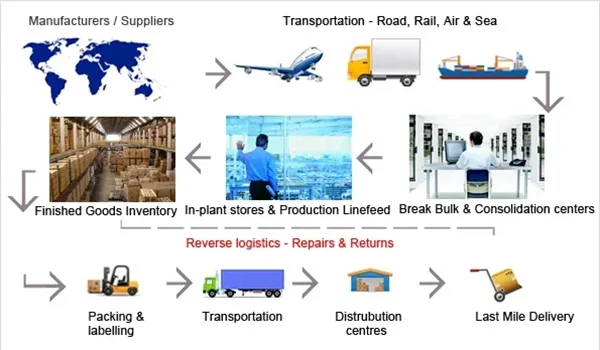
The freight forwarding business plays an important role in domestic and international trade. Freight forwarders help businesses organise the movement of goods from one location to another by coordinating transportation, documentation, cargo handling and logistics partners.
A freight forwarder may not own ships, aircraft or a large truck fleet. Instead, the business often works as a coordinator between shippers and transportation service providers.
This makes freight forwarding different from a traditional transportation business.
For entrepreneurs, freight forwarding can be an attractive logistics business because it can be started with a relatively asset-light model. However, success requires knowledge of international trade, documentation, customer relationships, pricing and shipment management.
What Is a Freight Forwarding Business?
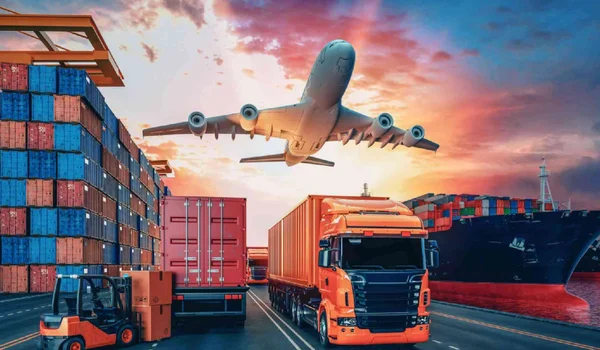
A freight forwarding business arranges the transportation of cargo on behalf of customers.
A simplified international shipment may look like:
Exporter → Freight Forwarder → Shipping Line/Airline → Destination → Importer
The freight forwarder coordinates different parts of the shipment and helps the customer move cargo from origin to destination.
Depending on the service, a freight forwarder may arrange:
- Ocean freight
- Air freight
- Road transportation
- Rail transportation
- Warehousing
- Cargo consolidation
- Documentation
- Customs-related coordination
- Insurance-related assistance
- Door-to-door delivery
The exact services offered depend on the business model and applicable regulations.
How Does a Freight Forwarding Business Work?
The basic process involves several stages.
Step 1: Customer Requests a Quote
An importer or exporter provides information such as:
- Origin
- Destination
- Cargo type
- Weight
- Volume
- Shipment date
- Transportation mode
The freight forwarder calculates an estimated logistics cost.
Step 2: Freight Booking
After the customer accepts the quotation, the forwarder arranges space with an appropriate carrier.
This could be:
- Shipping line
- Airline
- Road transporter
- Rail operator
Step 3: Cargo Pickup
The forwarder may arrange transportation from the customer’s factory or warehouse to the port, airport or another logistics facility.
Step 4: Documentation
International shipments require various commercial and transportation documents.
The forwarder helps coordinate the required documentation and information between the parties.
Step 5: Cargo Transportation
The cargo is transported using the selected mode.
For example:
Factory → Truck → Port → Ship → Destination Port
Step 6: Destination Coordination
At the destination, the forwarder or its partner may coordinate:
- Cargo handling
- Customs-related processes
- Local transportation
- Warehousing
- Final delivery
Step 7: Final Delivery
The cargo is transported to the customer’s warehouse or another agreed destination.
Types of Freight Forwarding
- Ocean Freight Forwarding
Ocean freight is widely used for international cargo.
It can be suitable for:
- Large shipments
- Containerised cargo
- Heavy goods
- Non-urgent shipments
Ocean freight may involve full-container-load and less-than-container-load shipments.
FCL
FCL (Full Container Load) means a shipment uses an entire container.
LCL
LCL (Less than Container Load) means cargo from different customers is consolidated into one container.
- Air Freight Forwarding
Air freight is used when speed is important.
It can be suitable for:
- High-value products
- Urgent shipments
- Time-sensitive goods
- Smaller cargo
Air freight is generally more expensive than ocean freight, so customers use it when faster transportation provides sufficient value.
- Road Freight Forwarding
Road freight is important for domestic transportation and for connecting factories, warehouses, ports and airports.
A freight forwarder may arrange trucks through its own fleet or external transport partners.
- Rail Freight Forwarding
Rail can be used for suitable domestic and multimodal shipments, particularly where large quantities need to be moved over longer distances.
- Multimodal Freight Forwarding
Multimodal freight forwarding combines multiple transportation modes.
For example:
Truck → Rail → Truck
or:
Truck → Ship → Truck
This can help businesses balance transportation cost, delivery time and cargo requirements.
How Freight Forwarders Make Money
The freight forwarding business generally earns revenue by charging customers for arranging and managing shipments.
Common revenue sources include:
- Freight charges
- Service fees
- Documentation fees
- Handling charges
- Consolidation charges
- Customs coordination fees
- Warehousing charges
- Local transportation charges
- Other value-added service fees
The business may negotiate transportation rates with carriers and then offer an overall price to the customer.
The difference between revenue received and the cost of providing the service contributes to the forwarder’s gross margin.
Simple Example
Suppose a freight forwarder quotes a customer ₹1,50,000 for a shipment.
The total cost paid to carriers and other service providers may be ₹1,30,000.
The remaining ₹20,000 is the gross contribution before the company’s own operating expenses.
These expenses may include:
- Employee salaries
- Office rent
- Software
- Sales expenses
- Communication
- Compliance
- Finance costs
Therefore, the quoted freight price should not be confused with net profit.
Freight Forwarding Business Model
A freight forwarder can operate through different models.
Asset-Light Model
The company does not own major transportation assets and instead works with:
- Shipping lines
- Airlines
- Truck operators
- Warehouses
- Other logistics providers
This can reduce capital requirements.
Asset-Based Model
The business owns some logistics assets such as:
- Trucks
- Warehouses
- Containers
- Handling equipment
This requires more capital but can provide greater control over certain operations.
Hybrid Model
Many businesses can combine owned assets with third-party logistics partners.
Investment Required for a Freight Forwarding Business
Freight forwarding can be more asset-light than starting a large transportation or warehousing company.
However, investment is still required for:
- Business registration
- Office setup
- Employees
- Technology
- Communication
- Marketing
- Working capital
- Industry memberships or applicable registrations
- Professional and compliance expenses
The actual investment depends on whether the business focuses on domestic freight, international freight, air cargo, ocean cargo or a combination.
Entrepreneurs should also account for working capital, because customers and logistics partners may have different payment cycles.
Documents Used in Freight Forwarding
International freight involves extensive documentation.
Depending on the shipment, documents can include:
- Commercial invoice
- Packing list
- Bill of lading
- Air waybill
- Shipping-related documents
- Export/import documentation
- Insurance documents where applicable
The exact documentation depends on the nature of the cargo, destination, trade arrangement and applicable regulations.
A freight forwarder must maintain accurate shipment information because documentation errors can cause delays and additional costs.
Freight Forwarder vs Transporter
These businesses are related but not identical.
| Freight Forwarder | Transporter |
| Arranges cargo movement | Physically transports goods |
| Coordinates multiple providers | Usually operates transportation assets or vehicles |
| May arrange international shipments | Often focuses on road transportation |
| Handles logistics coordination | Focuses on transportation execution |
| Can offer multimodal solutions | Usually provides a specific transport service |
A freight forwarder may therefore hire a transporter as one part of the overall shipment.
Freight Forwarder vs Customs Broker
A freight forwarder and customs broker can have different roles.
A freight forwarder primarily arranges cargo transportation and related logistics.
A customs broker focuses on customs-related processes and compliance on behalf of importers or exporters, subject to applicable Indian regulations.
In some logistics arrangements, customers may work with both.
Customers of Freight Forwarding Companies
Potential customers include:
- Manufacturers
- Exporters
- Importers
- E-commerce businesses
- Traders
- Distributors
- Automotive companies
- Pharmaceutical companies
- Electronics companies
- Textile businesses
- Engineering companies
Freight forwarders that specialise in a particular industry may develop expertise in handling that industry’s cargo requirements.
How to Start a Freight Forwarding Business in India
- Choose a Specialisation
Instead of trying to handle every type of shipment, a new business can start with a specific segment.
Examples include:
- Ocean freight
- Air freight
- Export cargo
- Import cargo
- E-commerce shipments
- Automotive logistics
- Textile exports
- Pharmaceutical logistics
- Understand Trade Documentation
Freight forwarding requires familiarity with shipping and trade documents.
Understanding the complete shipment lifecycle is essential.
- Build Carrier Relationships
Strong relationships with transportation providers can help a forwarder obtain competitive rates and reliable capacity.
Potential partners include:
- Shipping lines
- Airlines
- Trucking companies
- Warehouses
- Port-related service providers
- Develop a Customer Base
Potential customers can be approached through:
- Industrial areas
- Exporters
- Importers
- Manufacturers
- Trade networks
- Industry associations
- Digital marketing
- Direct sales
- Use Freight Management Technology
Software can help manage:
- Quotations
- Shipment status
- Documents
- Customer communication
- Invoices
- Tracking
- Reporting
Technology becomes increasingly important as shipment volumes grow.
Location for a Freight Forwarding Business
Location can be important, although a freight forwarding company does not necessarily need to operate directly inside a port or airport.
Potentially useful locations include areas near:
- Major ports
- Airports
- Industrial clusters
- Export hubs
- Import markets
- Logistics parks
- Manufacturing centres
In India, major logistics markets include Mumbai, Delhi-NCR, Chennai, Bengaluru, Hyderabad, Ahmedabad, Kolkata and other industrial and trade centres.
Challenges in Freight Forwarding
Freight forwarding can be profitable, but it also involves several challenges.
Freight Rate Fluctuations
Carrier rates can change depending on capacity, demand, fuel costs and international market conditions.
Documentation Errors
Incorrect documentation can cause shipment delays and additional costs.
Payment Delays
Credit periods can create working-capital pressure.
International Regulations
Import and export requirements can vary depending on the country and product.
Customer Competition
Freight forwarding is a competitive industry, and customers may compare several providers before selecting one.
Shipment Delays
Weather, port congestion, operational disruptions and other events can affect delivery schedules.
How to Make a Freight Forwarding Business Profitable
A freight forwarder can improve profitability by focusing on:
- Competitive carrier rates
- Repeat B2B customers
- Higher shipment volumes
- Specialised cargo
- Efficient documentation
- Strong customer relationships
- Technology
- Multiple logistics services
- Working-capital management
Offering additional services such as warehousing, local transportation and fulfilment can also increase revenue per customer.
Future of Freight Forwarding in India
The freight forwarding industry is becoming increasingly digital.
Important trends include:
- Digital documentation
- Online freight quotations
- Real-time shipment tracking
- Automated shipment updates
- Digital freight platforms
- Data analytics
- Multimodal logistics
- Integrated supply-chain systems
As Indian businesses participate more actively in domestic and international trade, freight forwarders that combine competitive pricing, reliable service and technology can find opportunities for growth.
FAQs
Is freight forwarding a profitable business in India?
It can be profitable, particularly when a company develops recurring B2B customers, negotiates competitive carrier rates and controls operating costs. However, margins vary by shipment type, market conditions and service mix.
Do freight forwarders own ships or aircraft?
Not necessarily. Many freight forwarders operate an asset-light model and arrange transportation through shipping lines, airlines, transporters and other logistics providers.
How does a freight forwarder make money?
A freight forwarder can earn through freight margins, service fees, documentation, handling, consolidation, warehousing, transportation and other logistics services.
Is freight forwarding the same as transportation?
No. A transporter generally performs the physical movement of goods, while a freight forwarder coordinates transportation and other logistics services on behalf of customers.
What qualifications are required to start a freight forwarding business?
There is no single universal qualification for every freight-forwarding activity. Requirements can vary depending on the services offered, type of cargo and whether the business handles regulated import/export processes. Entrepreneurs should verify the registrations, licences and compliance requirements applicable to their specific operations.
Can freight forwarding be started with low investment?
Compared with an asset-heavy fleet or warehouse business, freight forwarding can be started with a relatively asset-light structure. However, office operations, employees, technology, compliance and working capital still require investment.
Final Thoughts
The freight forwarding business in India is an important part of domestic and international logistics. Instead of simply transporting goods, freight forwarders coordinate different parts of the shipment process, including carriers, documentation, cargo handling and delivery partners.
The asset-light nature of the industry can make it attractive to entrepreneurs, but success depends heavily on customer relationships, carrier networks, documentation accuracy, pricing, working-capital management and industry knowledge.
For a new entrepreneur, starting with a focused niche—such as a particular trade route, cargo category or customer segment—can be more practical than trying to provide every freight-forwarding service from day one.