India’s logistics industry plays an important role in moving goods between manufacturers, suppliers, warehouses, retailers and customers. The growth of e-commerce, organised retail, manufacturing, quick commerce and interstate trade has created demand for different types of logistics services.
A logistics business can be started in several ways. An entrepreneur may operate a small delivery fleet, provide transportation services, run a warehouse, offer third-party logistics (3PL), manage last-mile deliveries or build a technology-based logistics platform.
The right business model depends on available capital, location, customer segment and operational capabilities.
What Is a Logistics Business Model?
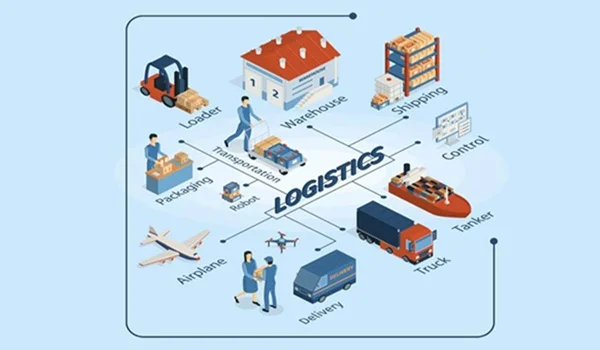
A logistics business model is the way a logistics company provides transportation, storage, delivery or supply-chain services to customers and earns revenue from those services.
The basic process is:
Customer → Pickup → Transportation → Sorting/Warehousing → Delivery → Payment
However, larger logistics companies may manage several additional activities, including inventory management, packaging, freight forwarding, route planning, order processing and reverse logistics.
A logistics company can earn through:
- Transportation charges
- Delivery fees
- Freight charges
- Warehousing charges
- Handling fees
- Packaging charges
- Fulfilment fees
- Subscription or contract fees
- Technology/service charges
- Commission-based arrangements
Major Logistics Business Models in India
There is no single logistics business model. Entrepreneurs can choose from several models based on their investment and expertise.
- Transportation Business
This is one of the traditional logistics models in India.
The company transports goods from one location to another using its own vehicles or vehicles operated by transport partners.
Common services include:
- Full truckload transportation
- Part-load transportation
- Local goods transportation
- Interstate transportation
- Commercial vehicle services
- Dedicated transportation
Revenue generally comes from transportation charges paid by customers.
A business can begin with a small number of vehicles and gradually expand its fleet.
- Last-Mile Delivery Business
Last-mile delivery focuses on transporting goods from a warehouse, distribution centre or local hub to the final customer.
This model has grown with:
- E-commerce
- Food delivery
- Grocery delivery
- Pharmacy delivery
- Quick commerce
- D2C brands
Instead of owning a large fleet, some businesses work with delivery executives or independent vehicle owners.
The company may charge customers or business clients on a per-delivery, per-order or contract basis.
- Third-Party Logistics (3PL)
In a 3PL model, a company manages logistics activities for another business.
For example, a manufacturer may outsource its warehousing and transportation operations to a logistics provider.
A 3PL company may provide:
- Transportation
- Warehousing
- Inventory handling
- Order fulfilment
- Packaging
- Distribution
- Reverse logistics
This model can generate recurring B2B revenue through monthly or annual contracts.
- Warehousing Business
A logistics company can also make money by providing storage facilities to businesses.
Customers may include:
- Manufacturers
- E-commerce companies
- Wholesalers
- Retailers
- Importers
- Distributors
Revenue can be based on warehouse space, pallet storage, inventory volume or additional services.
Warehousing becomes more valuable when it is located close to manufacturing clusters, highways, ports, airports or major consumption markets.
- Freight Brokerage Model
A freight broker connects customers who need transportation with transporters who have available vehicles.
The broker does not necessarily need to own trucks.
For example:
Customer → Freight Broker → Transporter → Destination
The broker earns a commission or margin on each shipment.
This can reduce the initial investment compared with starting a fleet-based transportation company.
- Courier and Parcel Delivery
Courier businesses handle documents, parcels and smaller shipments.
They may operate through:
- Local delivery
- Domestic courier services
- Business-to-business deliveries
- E-commerce shipments
- Reverse pickups
A small operator can begin with a local delivery network and later expand into multiple cities.
- Cold Chain Logistics
Cold chain logistics involves transporting and storing products that require controlled temperatures.
Important customer segments include:
- Pharmaceuticals
- Vaccines
- Dairy products
- Frozen food
- Meat and seafood
- Certain chemicals
- Fresh produce
This model requires specialised vehicles, refrigeration systems and temperature monitoring.
Because infrastructure requirements are higher, the investment can also be significantly higher than a basic delivery business.
Logistics Business Revenue Model
The revenue model depends on the services offered.
| Logistics Service | Common Revenue Method |
| Transportation | Per trip, kilometre or shipment |
| Last-mile delivery | Per delivery/order |
| Warehousing | Per sq. ft., pallet or storage period |
| 3PL | Contract or service fee |
| Freight brokerage | Commission/margin |
| Courier | Per parcel |
| Packaging | Per package |
| Fulfilment | Per order plus storage/handling |
| Cold chain | Shipment, storage or contract charges |
Many established logistics companies use a combination of revenue streams rather than depending on only one service.
How Does a Logistics Business Make Money?
The basic formula is:
Logistics Revenue − Operating Costs = Profit
Major operating costs may include:
- Fuel
- Vehicle EMI or lease payments
- Driver salaries
- Delivery staff
- Warehouse rent
- Electricity
- Vehicle maintenance
- Insurance
- Toll charges
- Software
- Packaging
- Office expenses
- Compliance costs
- Customer acquisition
For a transportation business, vehicle utilisation is particularly important.
A truck earning good revenue on the outward journey but returning empty can reduce profitability. Therefore, logistics companies try to improve fleet utilisation and backhaul availability.
Investment Required for a Logistics Business in India
The investment varies widely depending on the business model.
A small local delivery operation can require relatively limited capital, while a large warehousing, cold-chain or fleet operation can require substantial investment.
Indicative Investment Categories
| Business Model | Investment Level |
| Local delivery service | Low |
| Freight brokerage | Low to moderate |
| Small courier operation | Low to moderate |
| Small transportation fleet | Moderate |
| Warehousing | Moderate to high |
| 3PL operation | Moderate to high |
| Cold chain logistics | High |
| Large fleet/logistics network | High |
These are broad categories rather than fixed investment figures because vehicle ownership, property costs, city, technology and staffing can dramatically change the actual capital requirement.
What Are the Main Costs in a Logistics Business?
Cost management is one of the most important parts of this business.
Fuel Cost
For transportation companies, fuel can represent a major operating expense.
Fuel efficiency, route optimisation and vehicle utilisation directly affect margins.
Driver and Employee Costs
Drivers, delivery executives, warehouse workers, supervisors and administrative employees all add to operating expenses.
Vehicle Costs
Businesses using their own fleet must account for:
- Vehicle purchase
- EMI or financing
- Maintenance
- Tyres
- Repairs
- Insurance
- Registration and permits
Warehouse Costs
Warehouse operators have expenses such as:
- Rent or lease
- Electricity
- Security
- Labour
- Equipment
- Maintenance
- Software
Technology Costs
Modern logistics businesses increasingly use technology for:
- GPS tracking
- Fleet management
- Order management
- Route optimisation
- Inventory management
- Digital proof of delivery
- Customer communication
B2B vs B2C Logistics Business
An entrepreneur should also decide whether to focus on B2B or B2C customers.
B2B Logistics
Business-to-business logistics generally involves moving goods between businesses.
Examples include:
Manufacturer → Distributor → Retailer
B2B logistics can provide larger shipment volumes and contractual relationships.
B2C Logistics
Business-to-consumer logistics involves delivering products directly to customers.
For example:
Warehouse → Customer
E-commerce and D2C businesses are major users of B2C delivery services.
The B2C model can involve a high number of small shipments, making route planning and delivery efficiency important.
How to Start a Logistics Business in India
Starting a logistics company requires more than purchasing a vehicle.
Step 1: Choose a Niche
Decide what you want to specialise in.
For example:
- Local transportation
- E-commerce delivery
- Courier services
- Warehousing
- 3PL
- Freight brokerage
- Cold chain
- Industrial logistics
Step 2: Select Your Target Market
Identify the customers you want to serve.
Potential customers include:
- Manufacturers
- Retailers
- E-commerce sellers
- Wholesalers
- Distributors
- Hospitals
- Pharmaceutical companies
- Food businesses
- Importers and exporters
Step 3: Decide Whether to Own or Rent Vehicles
You can operate with:
Own fleet: More control but higher capital requirements.
Leased vehicles: Lower initial ownership burden but involves regular lease payments.
Attached vehicles: Work with third-party vehicle owners.
Hybrid model: Combine owned and partner vehicles.
For a new entrepreneur, a partner or hybrid model can reduce initial capital requirements.
Step 4: Complete Business Registrations
Depending on the structure and services, a logistics business may need appropriate business registration, tax registration and transport-related documents.
Requirements can vary according to the type of transportation, vehicle, state and goods being handled.
It is important to verify applicable requirements before starting operations rather than assuming that every logistics business follows the same compliance process.
Step 5: Build a Customer Network
B2B customer acquisition is critical.
You can approach:
- Local manufacturers
- Distributors
- Traders
- E-commerce sellers
- Industrial units
- Retail chains
- Wholesalers
Long-term contracts can provide more predictable revenue than depending entirely on individual shipments.
Step 6: Use Logistics Technology
Even a small logistics company can benefit from digital tools.
Useful features include:
- GPS tracking
- Digital invoices
- Route planning
- Driver management
- Shipment tracking
- Customer notifications
- Digital payment collection
- Delivery confirmation
Best Locations for a Logistics Business
Location can strongly influence logistics profitability.
Businesses should consider areas close to:
- National highways
- Industrial areas
- Manufacturing clusters
- Warehouses
- Airports
- Railway freight terminals
- Ports
- Major cities
- E-commerce demand centres
For example, a warehouse serving several industrial customers may benefit from being close to a major highway rather than being located in an expensive central business district.
Advantages of the Logistics Business
The logistics sector offers several opportunities in India.
Growing Demand
Manufacturing, e-commerce, retail and interstate commerce require continuous movement of goods.
Multiple Business Models
Entrepreneurs can choose between asset-heavy and asset-light models.
Recurring B2B Revenue
Contract logistics can create recurring business relationships.
Scope for Technology
Route optimisation, tracking and automation can improve operational efficiency.
Scalability
A small operation can potentially expand from one city to multiple locations.
Challenges in the Logistics Business
The industry also has significant challenges.
High Operating Costs
Fuel, labour, maintenance and rent can reduce margins.
Empty Return Trips
Vehicles returning without cargo can negatively affect profitability.
Driver Availability
Finding and retaining reliable commercial drivers can be challenging.
Payment Delays
B2B customers may have credit periods, creating working-capital pressure.
Vehicle Maintenance
Unexpected repairs can affect delivery schedules and profitability.
Competition
The market includes large logistics companies, regional operators and small transport businesses.
Is Logistics Business Profitable in India?
Yes, logistics can be profitable, but profitability is not automatic.
The key factors include:
Revenue per shipment + vehicle utilisation + route efficiency + customer retention − operating costs
A company with high revenue but poor cost control may still have weak profits.
For this reason, entrepreneurs should focus on fleet utilisation, route planning, repeat customers, contract-based business and working-capital management.
Future of Logistics Business in India
The logistics industry is becoming increasingly technology-driven.
Some important trends include:
- Digital shipment tracking
- Automated warehouses
- Electric delivery vehicles
- Data-driven route optimisation
- AI-based logistics planning
- Faster last-mile delivery
- Integrated supply-chain platforms
- Growth of 3PL services
- Expansion of organised warehousing
The continued growth of e-commerce and manufacturing can create opportunities for specialised logistics companies as well as technology-enabled service providers.
Frequently Asked Questions
Is logistics business profitable in India?
It can be profitable when the business maintains good vehicle utilisation, controls operating costs and develops reliable customers. Profitability varies considerably by logistics segment.
How much money is required to start a logistics business?
There is no single investment amount. A small delivery or brokerage business can require relatively little capital, while fleet, warehousing and cold-chain businesses can require much larger investments.
Can I start a logistics business without owning trucks?
Yes. Freight brokerage, delivery partnerships, leased vehicles and attached-vehicle models can allow entrepreneurs to operate without owning a large fleet.
Which logistics business is best for beginners?
Local delivery, freight brokerage and small transportation operations can be easier entry points than capital-intensive warehousing or cold-chain businesses.
How do logistics companies earn money?
They typically earn through transportation charges, delivery fees, storage charges, fulfilment fees, handling charges, commissions or contractual service fees.
Is logistics a good business in India?
Logistics can be a strong business opportunity because businesses across manufacturing, retail, e-commerce and distribution need transportation and supply-chain services. However, operational efficiency and cost management are essential.
Final Thoughts
The logistics business model in India offers opportunities at several investment levels. An entrepreneur does not necessarily need to start with a large fleet or warehouse. A small delivery operation, freight brokerage business or vehicle-partner model can provide an entry point, while successful businesses can later expand into transportation, warehousing, fulfilment or 3PL services.
The most important decision is to choose a specific logistics niche and understand its customers, pricing, operating costs, working-capital requirements and scalability before investing heavily.